Introduction:
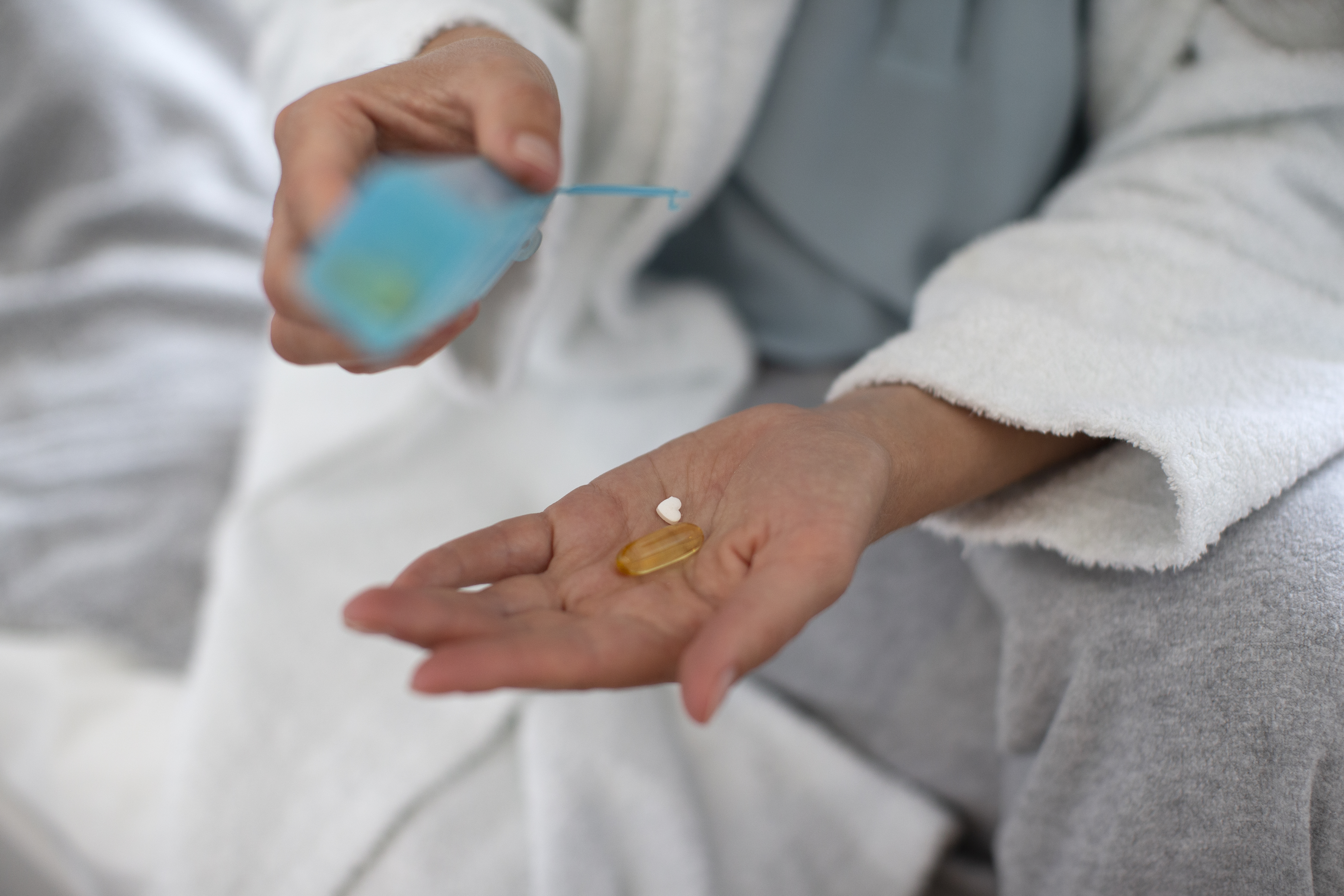
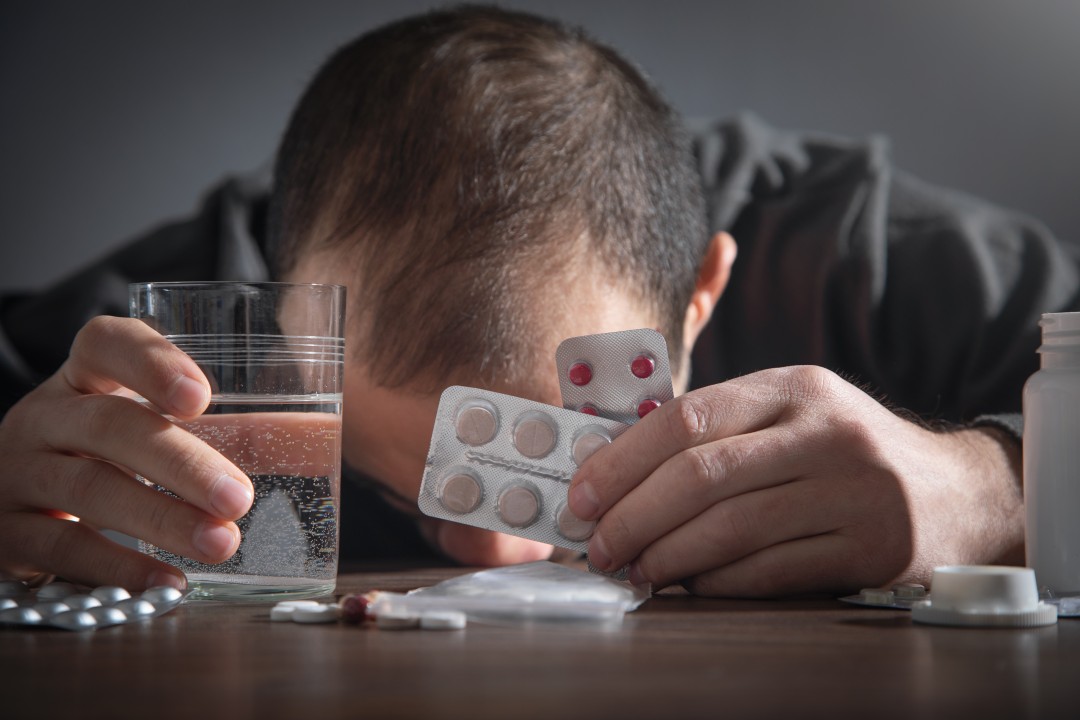
People in today's fast-paced environment frequently seek quick remedies to their health problems. With so much information available online and so many over-the-counter pharmaceuticals available, self-medication has become a tempting choice for many. However, while it may appear to be handy, self-medication can be harmful and potentially fatal. In this article, we'll look at the dangers of self-medication and stress the significance of getting competent medical counsel.
Inaccurate Self-Diagnosis:
Misdiagnosis is one of the most serious risks of self-medication. It's easy to misunderstand symptoms and reach wrong judgments without sufficient medical expertise. This can result in incorrect treatment or even worse of the problem. A thorough examination by a skilled healthcare practitioner is preferable than self-diagnosis based on web research or anecdotal evidence.
Lack of Expertise:
Years of study and training are required for healthcare practitioners to obtain the knowledge and abilities required to identify and treat various disorders. Self-medication disregards this expertise and implies that a person can grasp complex medical issues and choose appropriate therapies. It's critical to remember that medical professionals have the knowledge and experience to examine your health holistically, taking into account your medical history, allergies, and potential drug interactions.
Adverse Drug Reactions and Side Effects:
Varied drugs have varied effects on different people. What works for one person may have severe side effects or bad reactions in another. Self-medication raises your chances of using medications that are either inappropriate for your individual ailment or incompatible with other medications you may be taking. A healthcare practitioner can evaluate your medical history and design a treatment plan that reduces the chance of side effects.
Delayed Proper Diagnosis:
By attempting to address a health problem on your own, you may accidentally postpone obtaining professional assistance, resulting in a worsened situation. Some symptoms may indicate a more serious underlying disease that necessitates quick medical intervention. Consulting a medical professional at the first sign of a problem provides a prompt and correct diagnosis, which increases the likelihood of successful treatment.
Masking Symptoms:
Self-medication frequently focuses on symptom relief rather than addressing the underlying source of the problem. While it may provide immediate relief, masking symptoms can make it difficult to identify the underlying illness. You risk allowing a potentially catastrophic ailment to continue unchecked if you ignore underlying difficulties.
Conclusion:
While it may be tempting to take your health into your own hands, self-medication carries a number of concerns that should not be neglected. Accurate diagnosis, personalized treatment strategies, and skilled medical advice are critical for your overall health. Consulting a healthcare professional ensures that you obtain appropriate therapy, reduces the chance of bad effects, and addresses the underlying cause of your health difficulties. Prioritizing your health and obtaining expert advice is the greatest approach to protect yourself against the risks of self-medication.